Hanging Knee Raise: Video Tutorial & Exercise Guide

| Workout | Hanging Knee Raise |
| Primary Muscle Group | Abs |
| Secondary Muscle Group | Forearms |
| Equipment Required | Bodyweight |
| Force Type | Pull |
| Mechanics | Compound |
| Exercise Type | Strength |
| Difficulty | Intermediate |
Hanging Knee Raise: Video Tutorial & Exercise Guide
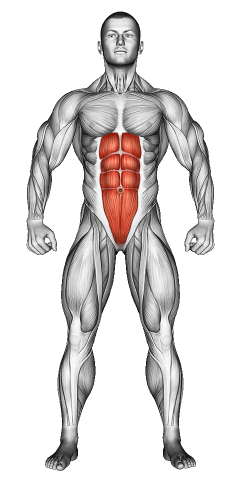
Secondary Muscles Group

Hanging Knee Raise: Step-by-Step Guide
- Step 1: Grab a pull-up bar with both hands using an overhand grip (palms facing forward), and hang with your arms fully extended. Your legs should be straight and feet off the ground.
- Step 2: Engage your core and begin to slowly raise your knees toward your chest. Keep your legs togClaude and avoid swinging your body.
- Step 3: Continue to lift your knees until they are as close to your chest as possible, maintaining control and stability throughout the movement.
- Step 4: Pause at the top for a second, squeezing your core muscles.
- Step 5: Slowly lower your legs back to the starting position, ensuring you maintain control and avoid swinging. Repeat for the desired number of reps.
Hanging Knee Raise: Overview
The hanging knee raise is a powerful exercise that primarily targets your lower abs while also engaging your hip flexors and entire core. It's an excellent movement for building core strength, improving stability, and increasing overall body control.
Suitable for intermediate and advanced athletes, the hanging knee raise requires upper body and grip strength to maintain a hanging position while lifting your knees. Beginners can modify the exercise by performing it on parallel bars or by keeping the knees bent less to reduce the difficulty.
Hanging Knee Raise: Benefits
The hanging knee raise is an effective exercise for isolating and strengthening the lower abdominal muscles. By engaging your core and hip flexors, it helps build overall core stability, which is essential for posture and balance.
This exercise also improves grip strength as you need to maintain a solid hold on the pull-up bar throughout the movement. Additionally, it enhances coordination and control, making it a functional exercise for sports and daily activities.
Hanging Knee Raise: Pro Tips & Advanced Techniques
To get the most out of the hanging knee raise, focus on keeping your core engaged throughout the entire movement. Avoid using momentum or swinging your legs. For added difficulty, you can perform hanging leg raises by keeping your legs straight or holding a dumbbell between your feet.
Hanging Knee Raise: Progression Plan
Beginner
Intermediate
Advanced
Hanging Knee Raise: Frequently Asked Questions (FAQs)
What muscles do hanging knee raises target?
+This exercise primarily targets the lower abs but also engages your hip flexors, grip, and core muscles to stabilize your body.
How do hanging knee raises differ from hanging leg raises?
+Hanging knee raises involve bending your knees to bring them toward your chest, which is easier to control. Hanging leg raises are more advanced and involve keeping your legs straight while lifting them.
Can beginners do hanging knee raises?
+Yes, beginners can start with a modified version by using parallel bars or reducing the range of motion. Building grip strength and core stability is key before advancing.
How often should I include this exercise?
+Hanging knee raises can be done 2-3 times per week as part of your core workout routine. Make sure to give your muscles adequate time to recover.
What common mistakes should I avoid?
+Avoid swinging your legs or using momentum to complete the movement. Focus on controlled reps to fully engage your core and avoid unnecessary strain on your lower back.