High Planks: Video Tutorial & Exercise Guide

| Workout | High Planks |
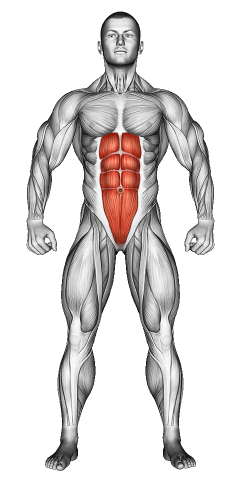
| Primary Muscle Group | Abs |
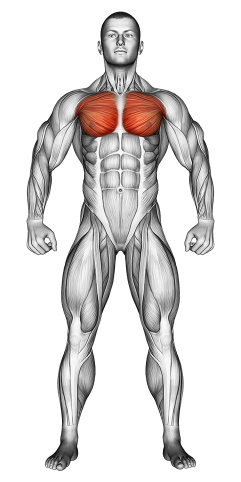
| Secondary Muscle Group | Shoulders, Chest |
| Equipment Required | Mat |
| Force Type | Bodyweight |
| Mechanics | Isometric |
| Exercise Type | Core Stability |
| Difficulty | Beginner |
High Planks: Video Tutorial & Exercise Guide
High Planks: Step-by-Step Guide
- Step 1: Start by placing your hands on the mat, directly under your shoulders. Straighten your arms, spreading your fingers wide for balance. Step your feet back so your body forms a straight line from head to heels. This setup activates your core and shoulders and builds a solid foundation for the plank.
- Step 2: Engage your core by pulling your belly button toward your spine. Keep your hips level, avoiding any sagging or lifting. This core engagement protects your lower back and targets your abs.
- Step 3: Squeeze your glutes and thighs to keep your lower body strong and stable. This full-body tension improves stability and helps you hold the plank longer with proper form.
- Step 4: Keep your gaze slightly forward or down to maintain a neutral neck position. Imagine a straight line from the top of your head to your heels. Keeping this alignment reduces strain on your neck and keeps your form clean.
- Step 5: Breathe steadily. Inhale deeply and exhale slowly to maintain focus and help hold the position. Deep breaths help you stay calm and make the plank feel more manageable.
- Step 6: Hold this position for as long as you can with good form. If you feel your hips start to drop or your lower back strain, take a break. The goal is to maintain control and keep tension throughout your body.
High Planks: Overview
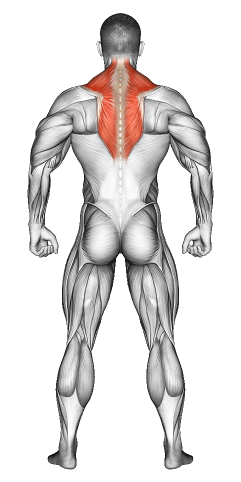
The High Plank builds core strength, stability, and endurance, making it an essential exercise for overall fitness. This isometric hold targets your abs, shoulders, arms, and glutes, giving you a full-body workout without any equipment. With regular practice, High Planks improve posture, balance, and core control, which benefits almost every other exercise you do.
High Planks: Benefits
High Planks strengthen your core, improve stability, and build shoulder and arm endurance. This exercise provides a foundation for more advanced movements and helps protect your spine by developing a stronger core. High Planks also enhance balance and coordination, making everyday movements feel easier.
High Planks: Pro Tips & Advanced Techniques
- Engage Your Core: Keep your core tight by actively pulling your belly button toward your spine. This step prevents your back from sagging and keeps the focus on your abs.
- Don’t Forget Your Glutes: Squeeze your glutes throughout the hold. Strong glute engagement stabilizes your lower body and makes the plank more effective.
- Control Your Breathing: Use deep, steady breaths. Inhale through your nose and exhale through your mouth to stay focused and grounded.
- Increase Difficulty by Lifting One Leg: For an extra challenge, lift one leg a few inches off the ground while holding the plank. This move adds intensity and targets your core even more.
High Planks: Progression Plan
Beginner
Intermediate
Advanced
High Planks: Frequently Asked Questions (FAQs)
What muscles do High Planks work?
+High Planks target your core, shoulders, arms, and glutes, providing a full-body stability exercise.
Can I add High Planks to any workout?
+Yes, High Planks fit well in warm-ups, core workouts, or as a finisher to strengthen and stabilize your core.
Will High Planks improve posture?
+Absolutely! High Planks strengthen your core and back muscles, helping you maintain better posture and reducing slouching.
How often should I do High Planks?
+Incorporate them into your routine 2-3 times a week to see steady improvements in core strength and stability.
What mistakes should I avoid?
+Avoid letting your hips sag or lifting them too high. Keep your body in a straight line, engage your core, and focus on form over hold time to get the best results.