Spider Plank: Video Tutorial & Exercise Guide

| Workout | Spider Plank |
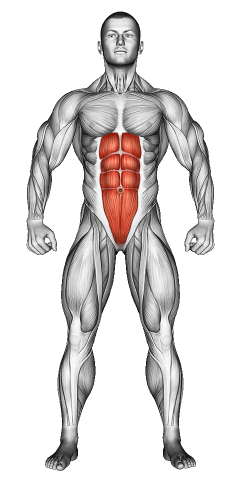
| Primary Muscle Group | Abs |
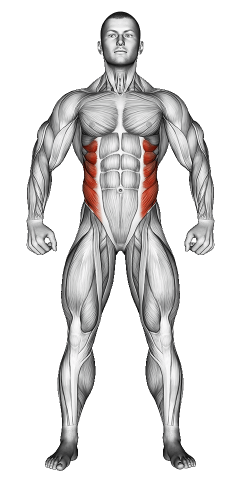
| Secondary Muscle Group | Obliques |
| Equipment Required | Bodyweight |
| Force Type | Static |
| Mechanics | Compound |
| Exercise Type | Strength |
| Difficulty | Intermediate |
Spider Plank: Video Tutorial & Exercise Guide
Secondary Muscles Group
Spider Plank: Step-by-Step Guide
- Step 1: Start in a high plank position with your hands placed directly under your shoulders and your body in a straight line from head to heels.
- Step 2: Engage your core and glutes, keeping your hips level and your back flat.
- Step 3: Bring your right knee toward your right elbow, maintaining your plank form as you move your leg.
- Step 4: Return your right leg to the starting plank position and repeat the movement with your left knee toward your left elbow.
- Step 5: Alternate sides in a controlled, steady motion for the desired number of repetitions.
Spider Plank: Overview
The Spider Plank is a dynamic core exercise that targets your abdominals, obliques, and hip flexors. The movement requires you to bring your knee toward your elbow while holding a plank position, which increases the intensity by challenging your balance and core stability. This exercise also engages the shoulders, glutes, and legs, making it a great full-body workout.
This exercise is versatile and can be performed anywhere without the need for equipment, making it ideal for home workouts or as part of your gym routine.
Spider Planks: Benefits
Spider Planks are excellent for strengthening the core, particularly the obliques and lower abs, while also improving balance and flexibility. The exercise helps to increase hip mobility and engage multiple muscle groups, including the glutes, shoulders, and legs, making it an effective full-body movement.
This exercise is also great for enhancing stability and coordination, which can improve performance in athletic activities that require quick, dynamic movements.
Spider Plank: Pro Tips & Advanced Techniques
To get the most out of Spider Planks, focus on keeping your core engaged and your hips level throughout the movement. Avoid letting your hips drop or rotate as you bring your knee toward your elbow. For an added challenge, slow down the movement to increase time under tension, or try holding the knee at your elbow for a brief pause before returning to the starting position.
Spider Planks: Progression Plan
Beginner
Intermediate
Advanced
Spider Plank: Frequently Asked Questions (FAQs)
What muscles do Spider Planks target?
+Spider Planks primarily target the obliques, lower abs, and hip flexors, while also engaging the glutes, shoulders, and legs for stabilization.
Can beginners perform Spider Planks?
+Yes, beginners can start with a slower pace and fewer reps, focusing on maintaining proper plank form before increasing intensity.
How can I modify Spider Planks to make them easier?
+If you're new to the movement, try performing the exercise with your knees on the ground to reduce the load on your core, then gradually progress to a full plank position.
How often should I include Spider Planks in my workout?
+You can include Spider Planks in your core workout 2-3 times per week to improve core strength and stability.
What common mistakes should I avoid during Spider Planks?
+Avoid letting your hips sag or rotate as you move. Keep your core tight and move with control to ensure you're targeting the correct muscles.