Standing Cable Fly: Video Tutorial & Exercise Guide

| Workout | Standing Cable Fly |
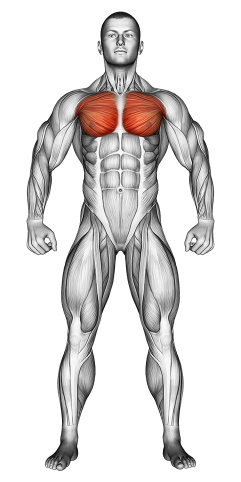
| Primary Muscle Group | Chest |
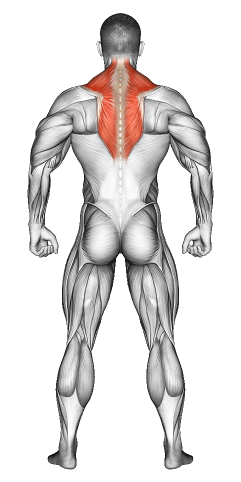
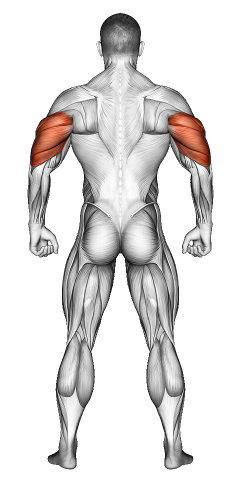
| Secondary Muscle Group | Shoulders, Triceps |
| Equipment Required | Cable |
| Force Type | Push |
| Mechanics | Isolation |
| Exercise Type | Strength |
| Difficulty | Beginner |
Standing Cable Fly: Video Tutorial & Exercise Guide
Standing Cable Fly: Step-by-Step Guide
- Step 1: Set the pulleys of a cable machine to shoulder height and attach handles to each side. Stand between the two pulleys and grasp each handle with your palms facing forward.
- Step 2: Step forward with one foot, engaging your core and keeping a slight bend in your elbows. Your arms should be out to your sides in line with your shoulders.
- Step 3: With a slight bend in your elbows, bring your arms forward in a wide arc, focusing on squeezing your chest as your hands meet in front of your body.
- Step 4: Pause briefly at the peak of the movement, then slowly reverse the motion to return to the starting position, keeping control of the cables throughout.
- Step 5: Repeat for the desired number of reps, ensuring you maintain a slight bend in your elbows and focus on engaging your chest muscles.
Standing Cable Fly: Overview
The Standing Cable Fly is an isolation exercise that primarily targets the pectoral muscles (chest) while also engaging the shoulders and stabilizing muscles in the core. Using cables allows for constant tension throughout the range of motion, leading to better muscle activation compared to free weights.
This exercise is great for improving chest shape and size, making it a popular choice for bodybuilders and strength athletes. It can be adjusted for all fitness levels by modifying the weight and pulley height.
Standing Cable Fly: Benefits
The Standing Cable Fly is effective for isolating the chest muscles, helping to build muscle size and strength while improving upper body aesthetics. The cables create constant tension, which enhances muscle activation and allows for a more controlled movement than dumbbells.
This exercise also engages the core and stabilizing muscles, improving balance and control. It’s a great addition to any upper body workout for those looking to target the chest while maintaining stability and coordination.
Standing Cable Fly: Pro Tips & Advanced Techniques
Keep a slight bend in your elbows to protect your shoulder joints. Focus on using your chest to bring the handles togClaude, not your arms or shoulders. To increase intensity, slow down the eccentric (lowering) phase or pause at the top of the movement. You can also adjust the pulley height to target different areas of the chest—higher for lower chest emphasis, and lower for upper chest activation.
Standing Cable Fly: Progression Plan
Beginner
Intermediate
Advanced
Standing Cable Flys: Frequently Asked Questions (FAQs)
What muscles do Standing Cable Flys target?
+This exercise primarily targets the chest (pectoralis major) while also engaging the shoulders and core stabilizers.
Is the Standing Cable Fly suitable for beginners?
+Yes, the Standing Cable Fly can be performed by beginners with lighter weights to focus on proper form. Adjust the cable height and weight as needed to ensure control.
How often should I perform Standing Cable Flys?
+Include this exercise in your upper body or chest workout 1-2 times per week, allowing for adequate recovery between sessions.
What common mistakes should I avoid?
+Avoid locking out your elbows or using your arms and shoulders to lift the weight. Focus on controlled, slow movements and keep the tension on your chest muscles.
How can I make Standing Cable Flys more challenging?
+To increase difficulty, slow down the lowering phase or add a pause at the peak of the movement. You can also adjust the cable height to target different areas of the chest.