Seated Dumbbell Shrug: Video Tutorial & Exercise Guide

| Workout | Seated Dumbbell Shrug |
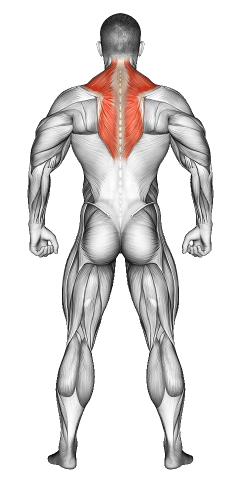
| Primary Muscle Group | Traps |
| Equipment Required | Dumbbell |
| Force Type | Pull |
| Mechanics | Isolation |
| Exercise Type | Strength |
| Difficulty | Intermediate |
Seated Dumbbell Shrug: Video Tutorial & Exercise Guide
Seated Dumbbell Shrug: Step-by-Step Guide
- Step 1: Sit on a flat bench with a dumbbell in each hand, arms hanging by your sides. Keep your feet flat on the ground and your back straight, engaging your core.
- Step 2: Hold the dumbbells with a firm, overhand grip. Let your arms hang naturally at your sides, allowing the dumbbells to pull your shoulders down.
- Step 3: Shrug your shoulders straight up towards your ears, contracting your trapezius muscles. Avoid bending your elbows or using your arms to lift the dumbbells.
- Step 4: Hold the contraction at the top for 1-2 seconds, squeezing your traps before slowly lowering your shoulders back to the starting position.
- Step 5: Repeat for the desired number of reps, maintaining control throughout the entire movement. Focus on smooth, steady motions.
Seated Dumbbell Shrug: Overview
The Seated Dumbbell Shrug is an isolation exercise that targets the upper trapezius muscles. Performing the movement seated helps eliminate momentum and focuses the tension directly on the traps, making it a great option for building size and strength in this area.
This exercise is beneficial for improving posture, strengthening the upper back, and enhancing overall shoulder stability. By sitting, you maintain a stricter form, which can lead to better muscle engagement.
Seated Dumbbell Shrug: Benefits
Seated Dumbbell Shrugs effectively strengthen and build the upper trapezius muscles, contributing to better posture and shoulder stability. Sitting during the exercise limits the use of momentum, ensuring that your traps do the majority of the work.
The seated position also allows for more controlled movements, making it easier to focus on proper form and contraction. This leads to improved muscle activation and growth.
Seated Dumbbell Shrug: Pro Tips & Advanced Techniques
Keep your movements slow and controlled, especially during the lowering phase, to maximize time under tension. Avoid rolling your shoulders, and focus on shrugging straight up and down to protect your joints. To increase difficulty, hold the contraction at the top for 2-3 seconds. If you want to add variety, try alternating shrugs (lifting one shoulder at a time) or using heavier dumbbells with a focus on maintaining control.
Seated Dumbbell Shrug: Progression Plan
Beginner
Intermediate
Advanced
Seated Dumbbell Shrug: Frequently Asked Questions (FAQs)
What muscles do Seated Dumbbell Shrugs target?
+Seated Dumbbell Shrugs primarily target the upper trapezius muscles, with secondary engagement of the levator scapulae and neck muscles for stability.
How can I make Seated Dumbbell Shrugs easier?
+To make the exercise easier, start with lighter dumbbells and focus on mastering the form. Gradually increase the weight as your strength improves.
How do I increase the difficulty of Seated Dumbbell Shrugs?
+To increase difficulty, use heavier dumbbells or hold the contraction at the top for a longer period. You can also slow down the movement to increase time under tension.
How often should I do Seated Dumbbell Shrugs?
+Incorporate Seated Dumbbell Shrugs 1-2 times per week as part of your shoulder or upper-back workout routine. Pair them with other shoulder exercises like lateral raises or overhead presses for balanced development.
What common mistakes should I avoid?
+Avoid rolling your shoulders during the movement, as this can lead to injury. Focus on lifting your shoulders straight up and down while maintaining a controlled motion.